

When painting windows, preparation is as important as the paint itself. Wash, scrape, sand, prime, and seal thoroughly before picking up your brush, and you can be sure your windows will be truly beautiful and durable. Our step-by-step guide will help you do each step correctly and in the right order.
Step by step
Preparation work
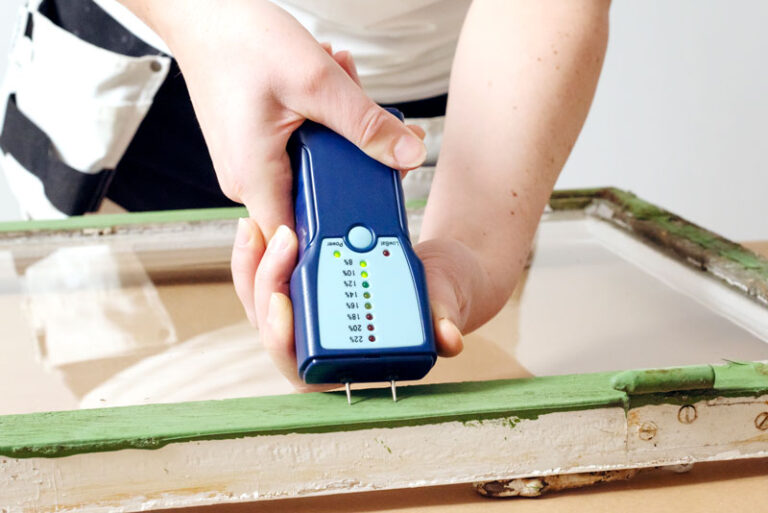
Check that the wood is dry
Before starting to paint, the window must be sufficiently dry. Check the wood's moisture content with a moisture meter. The moisture content should not exceed 16 percent.
Scrape and paint fittings
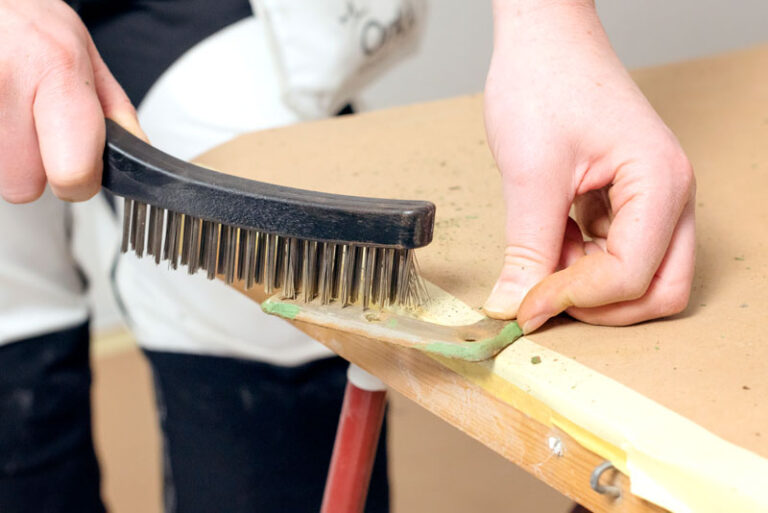
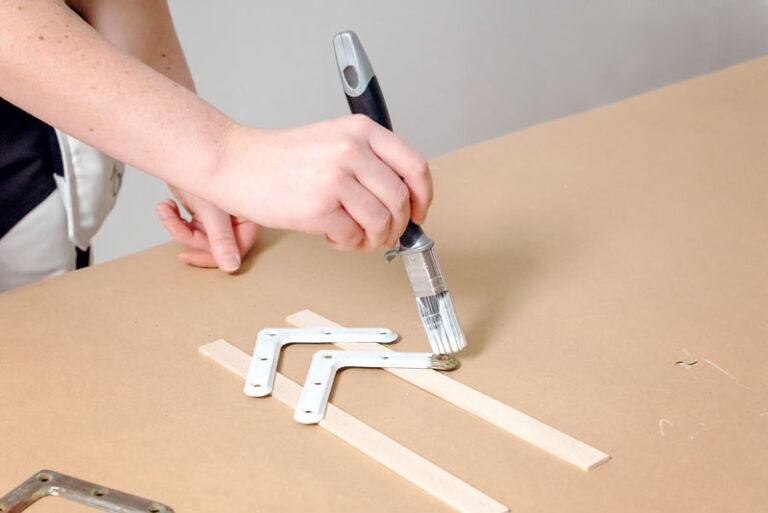
If the window has corner fittings, they must be removed. Scrape off loose paint with a paint scraper or a wire brush and then paint them with anti-corrosion paint. Follow the instructions on the paint can.
Removing seals
Remove old seals from the window.
Washing the window sill
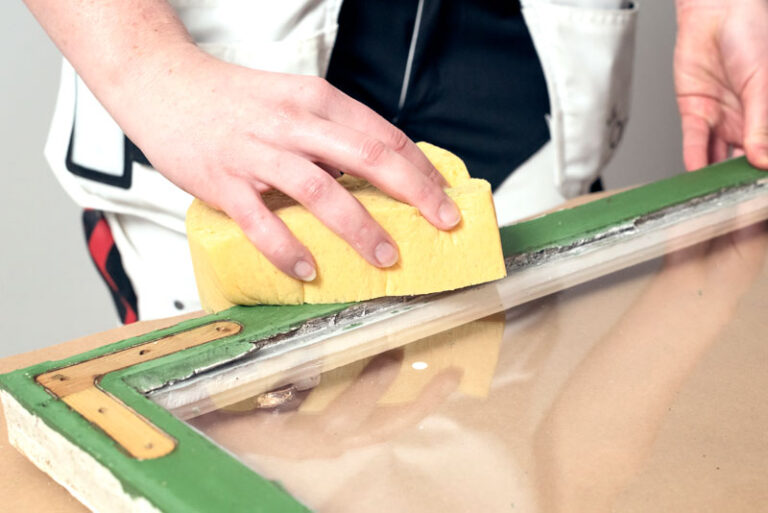
Wash the window sills with an algae and mold cleaner. Remove loose or cracked caulking compound with a knife or a steel spatula. Be careful not to break the glass.
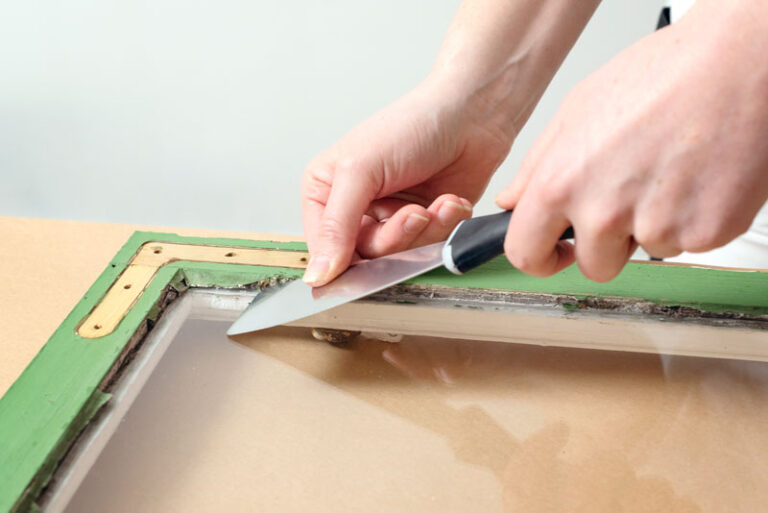
Scrape off loose paint
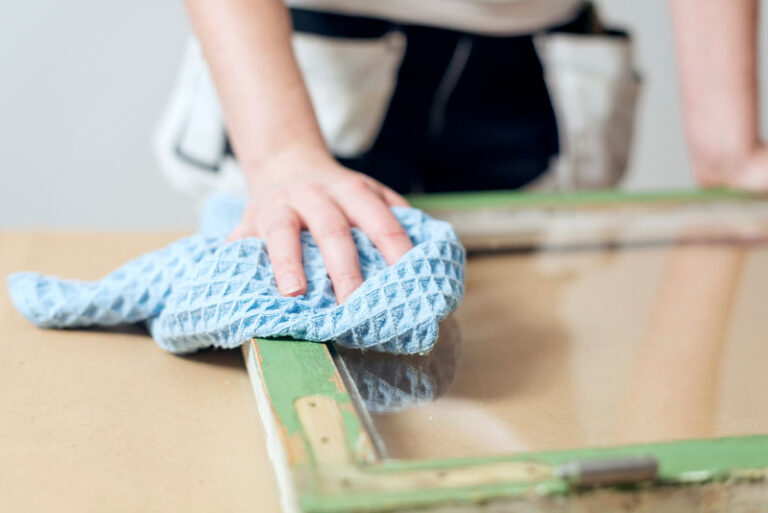
Scrape off loose paint with a paint scraper and wipe off dust with a dry cloth.
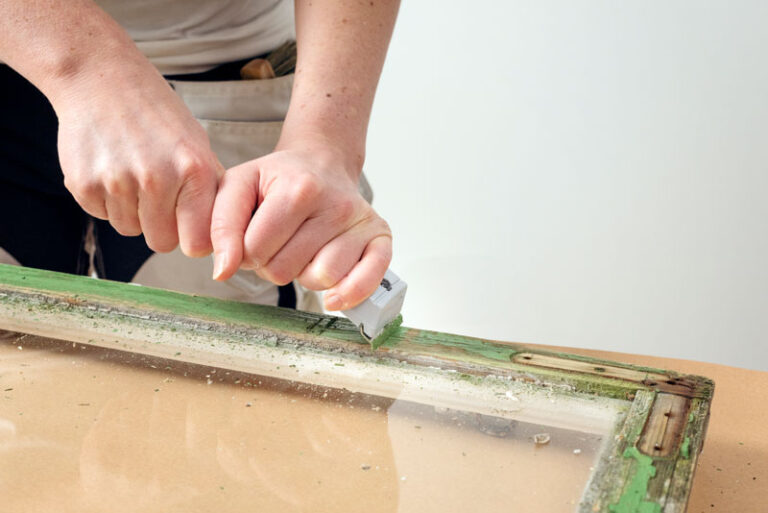
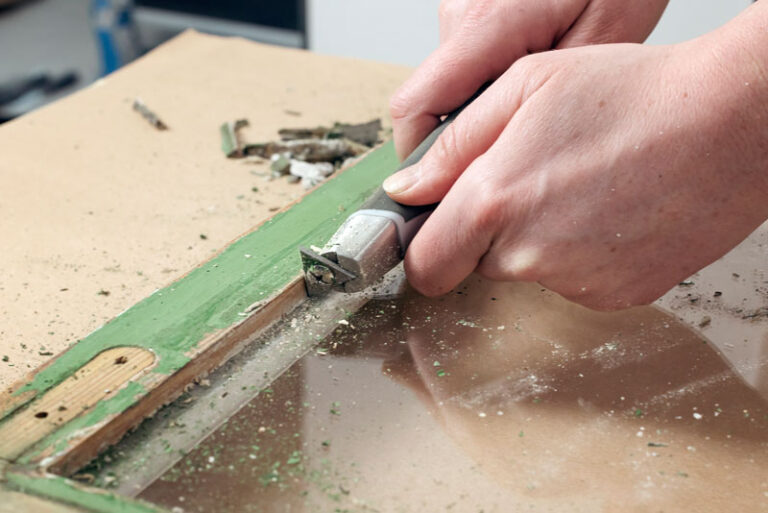
Add oil
Oil all wooden surfaces of the windows – i.e., all the surfaces you have scraped. Apply plenty of oil to the end grain and also to the putty plate, which is the area of the window sill where the caulking compound is applied.
Allow to dry
Allow the oil to dry according to the instructions on the can.
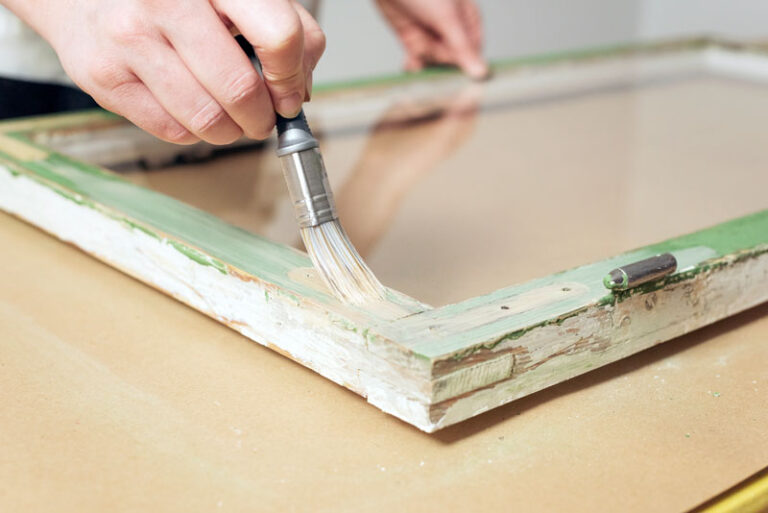
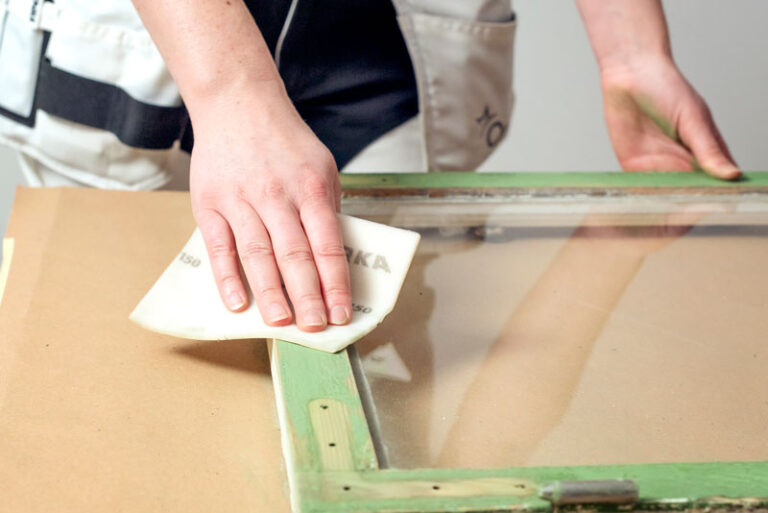
Removing fibers by sanding
When wood becomes wet with water or oil, wood fibers can rise, making the surface feel rough and prickly. Once the wood is completely dry, sand off any raised fibers with fine sandpaper.
Primer
Painting windows and moldings
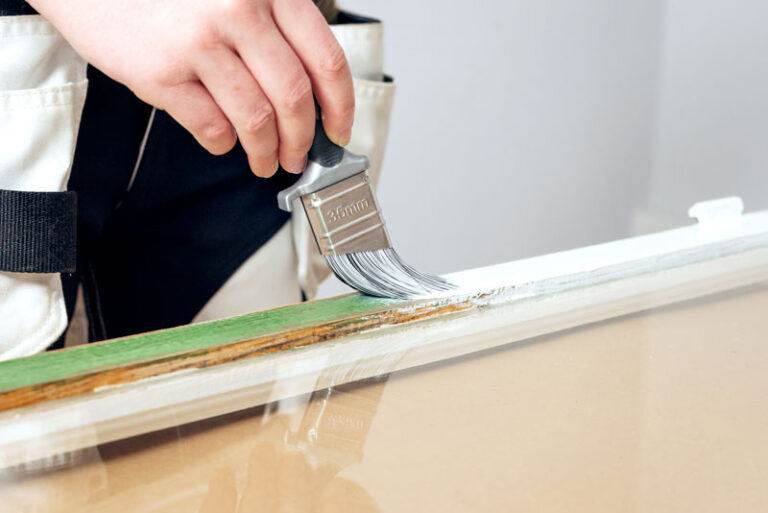
Carefully prime the window sashes. Also, paint to the putty line and allow the paint to dry thoroughly. In the next step, it's time to apply the caulking compound.
Seal
Use a caulking gun
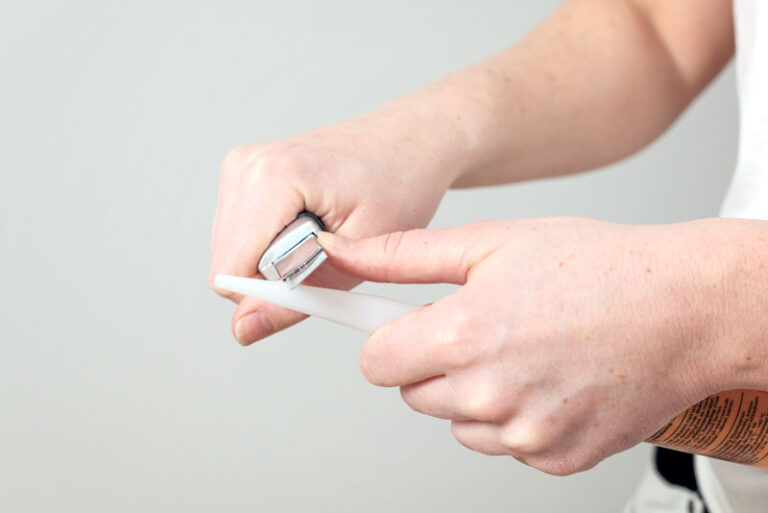
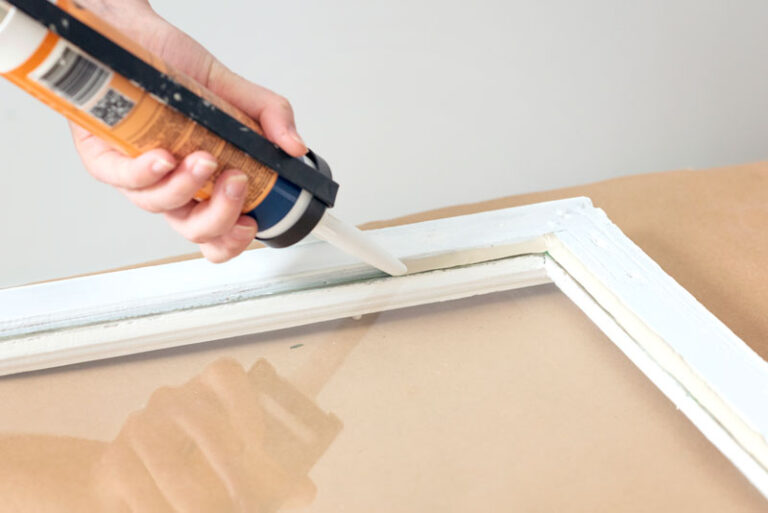
Apply new caulking compound with a caulking gun. Cut the nozzle of the caulking gun at a 45-degree angle and place the nozzle on the caulking groove.
Start in the corner
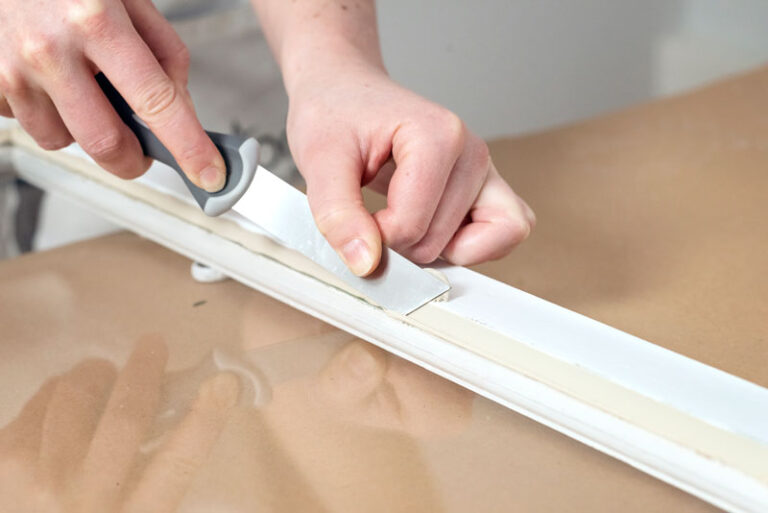
Start in one corner and apply the caulking compound evenly. Make sure the caulking groove is thoroughly filled. Smooth the surface and remove excess putty with a putty knife. Allow the caulking compound to dry on the surface before starting to mask.
Mask
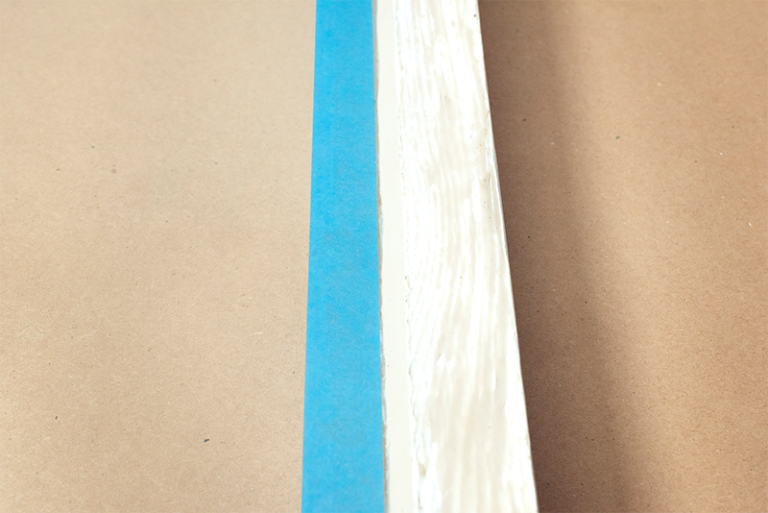
Now it's time to mask the glass. Use outdoor masking tape. Place the tape about a millimeter from the edge of the putty so that the paint covers the putty and a small part of the glass when painting. This prevents water from penetrating between the glass and the putty.
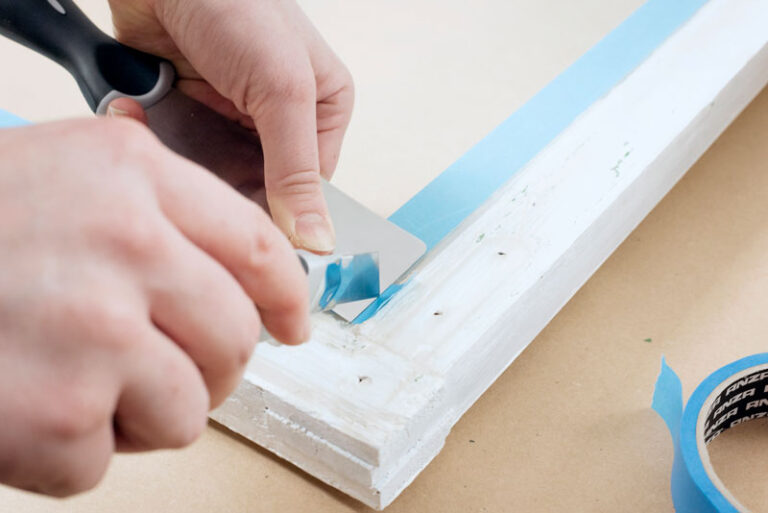
Finish by screwing the corner connectors back on. Then it's time to paint.
Topcoat
Use plenty of paint
Apply plenty of paint to the window sills. Be careful not to drip on the glass.
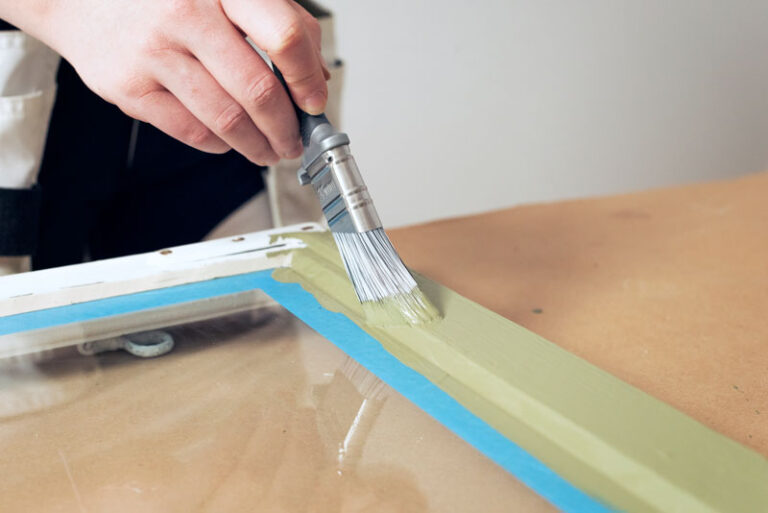
Use different brushes
Use a wider brush for large areas and a smaller brush for sashes and details. Allow the paint to dry.
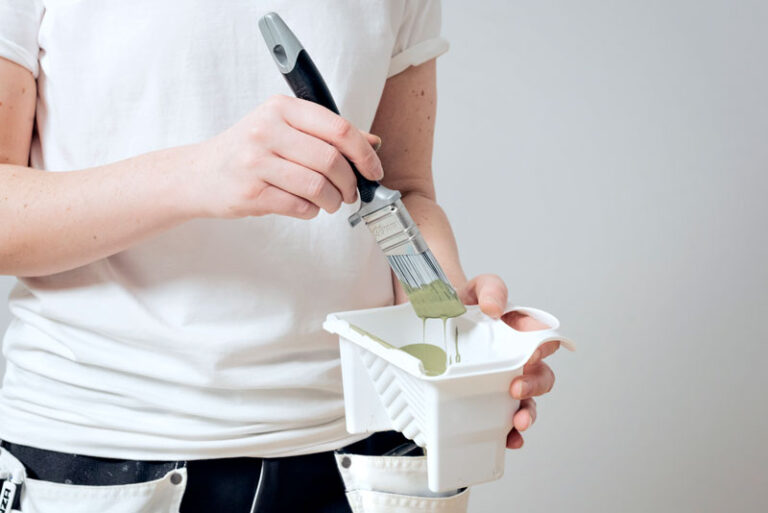
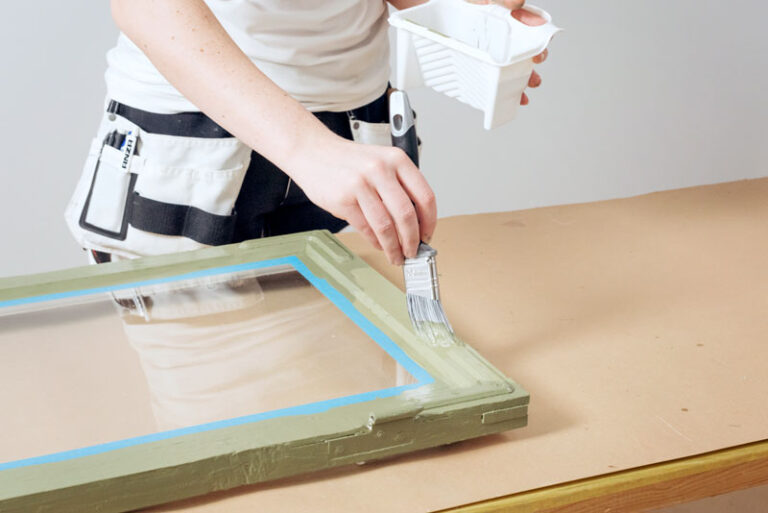
Paint again
Paint again for truly even coverage.
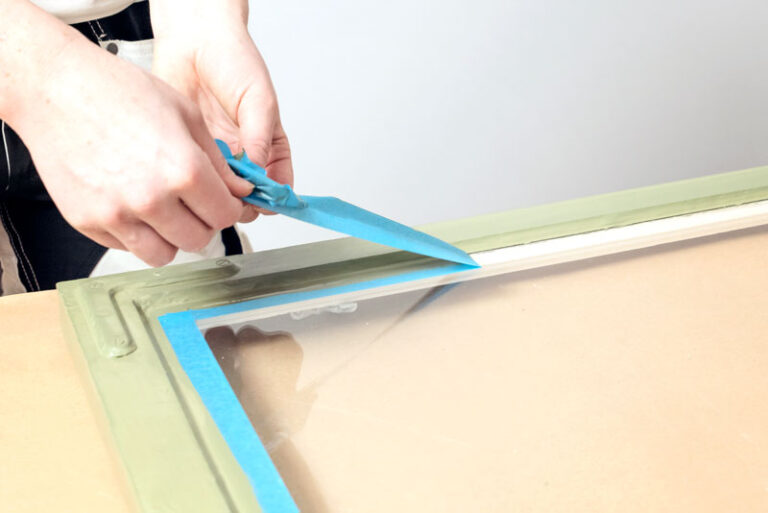
Remove tape
Remove the masking tape before the paint has completely dried.
Done! Now you have windows that will stay beautiful for years to come.


